Skip to content

Blog

New York’s Dyslexia Task Force Act: What Does This Mean to Me?

On May 24, 2022, The New York Senate passed The Dyslexia Task Force Act A.2185-B/S.441-C. Senator Brad Hoylman sponsored the Senate bill. The bill had already passed on the Assembly side, where Assemblymember Robert Carroll sponsored it. The bill’s next stop is with Governor Kathy Hochul. After that, the Governor signs the bill into law. That will be a day of celebration! A few years ago, I wrote about New York’s Guidance Memo on Students with Dyslexia, Dysgraphia, and Dyscalculia when it passed. Any legislation or activity that improves literacy or education for children with dyslexia is favorable, and anything that passes in New York is significant. We owe it to ourselves to celebrate any type of progress. However, as parents and guardians struggling to get children the reading services they need, nothing can happen fast enough. Even the best bills are not the entire solution. However, policy is critical, and policy influences the culture of literacy. This bill is the start of good policy. What’s promising about The Dyslexia Task Force Act is that it provides an opportunity to carve out specific frameworks designed to identify struggling readers and writers due to potential dyslexia/dysgraphia. The Task Force also documents the most appropriate interventions and trainings proven to demonstrate high gains when properly implemented. Additionally, the task force’s work happens… | Read More »New York’s Dyslexia Task Force Act: What Does This Mean to Me?
Diverse Books, Decodable Books & Libraries

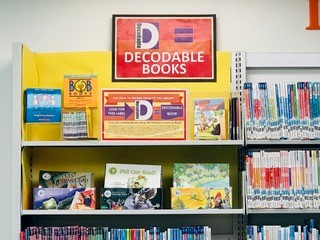
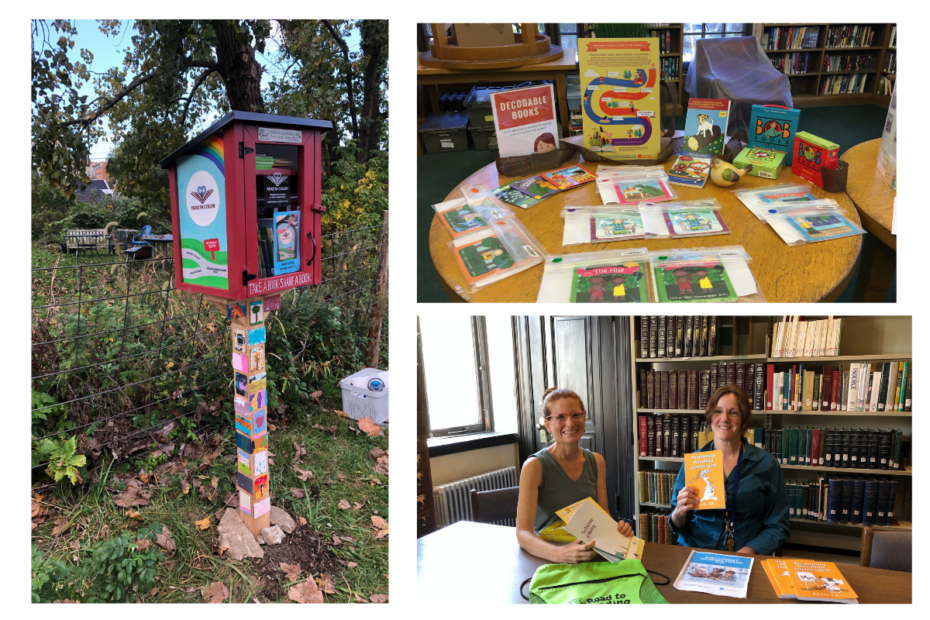
Diverse books, decodable books and libraries. They are all part of innovative community literacy solutions! We’re So Much More than Phonics The science of reading, structured literacy, direct instruction, systematic, explicit instruction. It all sounds severe and not that much fun. The fact is, nothing is more thrilling than reading with automaticity. Automaticity happens when a child learns to decode. Some kids will need less instruction on decoding, while others, especially those who struggle with reading issues like dyslexia, will need a ton of practice. There is no love of reading when a child cannot read the words, and that is why teaching decoding is part of the love of reading. Still, all of that work decoding is nil if a child doesn’t understand what they are reading. Diverse Books Here’s the shocker! Those of us advocating for the science of reading advocate for content and context. If children learn to decode and do not understand what they read, they will not become skilled readers. Access to books and content is an important way to help children improve reading. We call it “books that teach, and books that tell.” We are passionate about diverse literature so that children can engage with books that show families and communities that look like our world. According to The Read in Color program, less… | Read More »Diverse Books, Decodable Books & Libraries

Using Decodable Books to Improve Reading Instruction and Interventions: An Interview with Dr. Neena Saha

“Do you carry any of those special books that help kids that aren’t learning to read easily?” I asked this question to our librarian many years ago. It was early in our journey, and I was still getting my arms around why the reading instruction and interventions at school weren’t working. Fortunately, I knew enough to sign our daughter up for reading services at the one center in our region that uses a structured literacy approach to reading interventions. The reading tutor told me about these “special books” that children could use to practice their newly learned phonics skills. I’m from educational publishing, so I was curious about what these magical books were. How come I had never heard about them? If they were so unique, I was sure I could write some and maybe help our daughter get over that hump that I define as decoding. Once I learned more I was perplexed about why there were so few decodable books, and why the decodable books I learned about were hard to find. Fast forward several years, and I’m the Founder of a nonprofit organization, Teach My Kid to Read, initiating our first program, The Road to Decode, that aims to educate librarians about how we learn to read and where resources like decodable books fit in the process.… | Read More »Using Decodable Books to Improve Reading Instruction and Interventions: An Interview with Dr. Neena Saha

Literacy For All!

Literacy is not political or partisan. The right to literacy is as fundamental as the right to a free and appropriate public education, and both are deeply intertwined. Lately, it seems, everything is political, and now there’s a movement to suggest that those parents, teachers, literacy specialists, and advocates spouting about the science of reading are part of the far-right movement. If we weren’t living through a pandemic and one of the most challenging times of our lives, it could almost be funny. It’s not the first time I have personally experienced this attempt to pigeon hole literacy advocacy with politics. When I was brand new to the literacy space, I spun off about schools not embracing the approach to literacy proven to help all kids, especially children with dyslexia, learn to read. I was accused of representing a conservative think tank funded by the far right. Years later, during an advocacy meeting, I was charged with representing a well-oiled and well-funded machine. I wish the latter, at least about the funding, was correct. With all the uncertainty and divisiveness in the world, the last thing we need is to use our children as pawns to maintain the status quo in reading instruction that doesn’t work for all. I have witnessed higher education faculty cut down parents, tutors, and anyone… | Read More »Literacy For All!

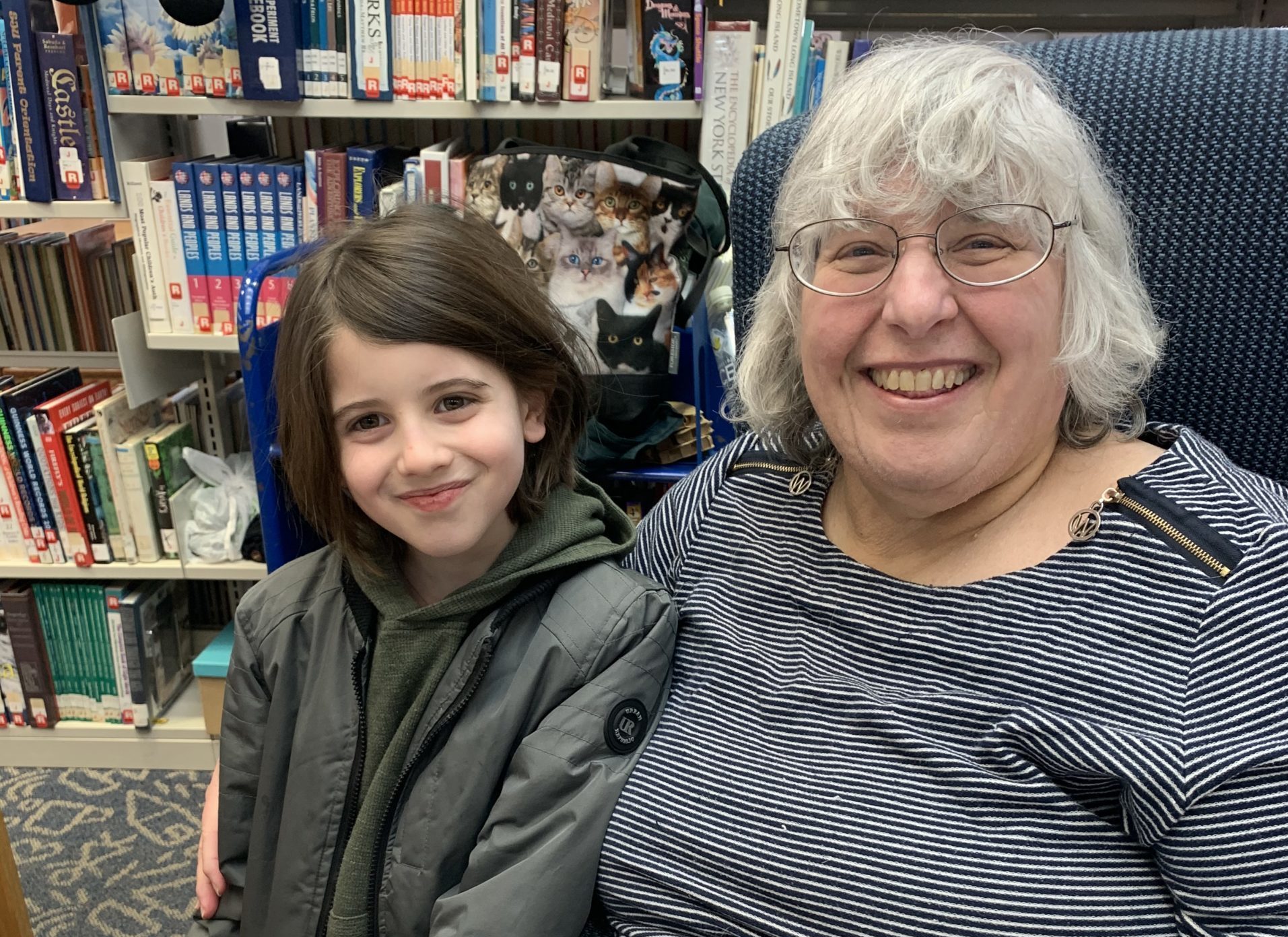
Children's librarian, Faye Lieberman and one of the boys who frequents her library

Ask the Librarian: I Miss the Kids!

We started working with public libraries in 2019 to raise awareness of reading issues like dyslexia and educate librarians about resources that help all children learn to read. Who would’ve envisioned that within a year a pandemic would hit, and public libraries would close. Franklin Square Children’s Librarian, Faye Lieberman, tells us what it’s like to be a librarian working remotely through COVID-19 and what she will be doing when the library reopens. Lockdown I miss the kids! My library closed March 17, 2020, and we are on lockdown until at least May 15, 2020. Libraries are doing online programming, but I’m not good at it, so I keep in contact with our kids through lots of phone calls. Some kids are too shy to talk to me, so I talk to their parents instead. Other kids can’t wait to talk to me and tell me their latest news. What I Miss the Most When the library is open. the best part of my day is from 3:30 to 5:00 in the afternoon. I often have a roomful of kids then and I love it! Some come in to play with toys, puzzles, LEGOs, or the computers. Others are doing homework or working with tutors. Some children are looking for books. I try to greet everyone with a smile and… | Read More »Ask the Librarian: I Miss the Kids!

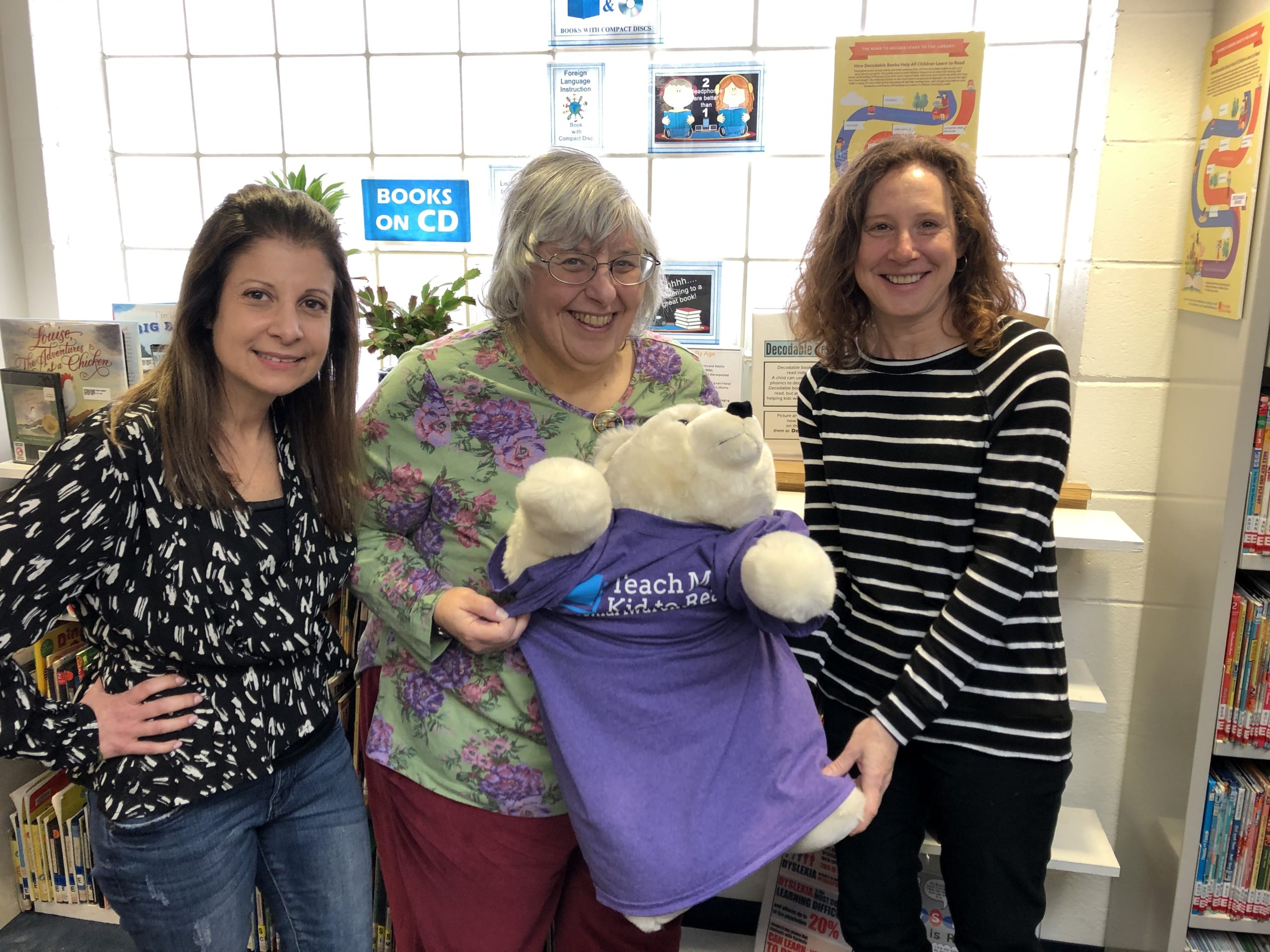
Teach My Kid to Read members and librarian Faye Lieberman, holding a stuffed bear

Hey Teacher! Let the Kids Read What They Want

What does a librarian say when parents of struggling readers say their children won’t read anything? What’s it like to hear parents tell their children they can only read books at certain levels? Why do all the young adult books seem to include themes that are so difficult for our tweens and teens to grapple with? Struggling readers in this age range are often facing enough challenges, so why are so many of the books written for them so brutal? Recently, a few Teach My Kid to Read volunteers and I sat down with Faye Lieberman, Children’s Librarian at Franklin Square Public Library in Franklin Square, New York, for a discussion about children’s books and the questions librarians hear the most. Following are excerpts from a transcript of the discussion: Ask the Librarian! My name is Faye Lieberman. I’ve been a children’s librarian for nearly forty years. In my experience, things have gotten much worse for children with and without dyslexia. Most schools teach reading using sight words, leveled readers, and standardized tests. There is minimal attempt to adjust to the needs of individual children. I’m finding fewer children who want to read for pleasure. It’s not always the teacher’s fault. Sometimes it’s the parent’s fault, too. Every day I hear, “You can’t read that, it’s not on your level.”… | Read More »Hey Teacher! Let the Kids Read What They Want

Save a Life: Teach a Kid to Read

Have you ever watched young children in a library or bookstore? They run around in excitement and pull dozens of books off the shelves. I’ve seen it many times and I’ve pulled a few books off shelves myself. Children are born with an innate capacity for joy, a natural curiosity, and a desire to learn. Young children love Story Time or having a parent or caregiver reading aloud to them. Is there is a defining moment or a collection of experiences that leads to diminished joy and eventually to a downright hatred of libraries and books for some children? Maybe it’s when a child first heads off to school, or when the other children progress to chapter books, that those once-exciting books become painful to try to read. I’ve thought about the loss of joy a lot lately. Through our new library program, The Road to Decode, I have spent a lot of time in the children’s sections of libraries. Teach My Kid to Read worked hard on The Road to Decode, creating awareness and helping librarians understand what resources help children learn to read. But are we doing enough? We’ve cited statistics before. Reading issues are common, and nobody is spared. Sixty-four percent of fourth graders are not reading proficiently. According to The International Dyslexia Association, reading issues like… | Read More »Save a Life: Teach a Kid to Read

Why Educational Publishers are Part of the Solution to the Reading Challenge

“The greatest enemy of progress is the illusion of knowledge.” John Young, Astronaut Several years ago, I was working as a contractor in the educational publishing industry. The scope of one of our contracts was to build curricula for a few disciplines so the publisher could assess whether to pursue publishing in those particular academic areas and, if so, determine their strategy. We listed the required and elective courses for the discipline, specific areas of study, course objectives, and major textbooks and course materials used for each class. We commented accordingly on enrollments, trends, and areas for improvement. One of the disciplines we worked on was education. While we were putting together courses and books for the certification and degree programs in special education, reading, and literacy, it never occurred to me to hunt for the few textbooks that include a science-based approach to reading, or to recommend that graduates need at least a basic understanding of the foundations of reading. I didn’t know then about the five pillars of reading: phonemic awareness, phonics, fluency, vocabulary and comprehension. How would I have known? We Can’t Change What We Don’t Know Is Broken That phrase is repeated regularly in connection with teacher training in the science of reading, and it applies to publishers as well. Publishers can’t change what they don’t… | Read More »Why Educational Publishers are Part of the Solution to the Reading Challenge

Why the Alphabet Is So Much More Than A, B, C

It’s Dyslexia Awareness Month and the perfect time to consider why the alphabet is so much more than A, B, C. Each October, Dyslexia Awareness Month generates awareness about the 1 in 5 people who have difficulty decoding words because of a challenge at the most basic level in connecting sounds to letters and then mapping those words to print. Learning to read is a complicated process, and the first step toward understanding where we’ve taken a wrong turn is to look at the alphabet. Here’s why it’s worth a second look. The alphabet is a series of symbols or letters that work together to create words. The words work together to form sentences. That’s how most of us learn to read—me included. Why this process sets us down a squirrely path is because we take the alphabet at face value with minimal thought to the many sounds and patterns that work together to form words. The alphabet becomes nothing more than the alphabet song that we all learned when we were starting to read. We’re Reading and Guessing! Once we get the letters down and have some basic sense of how they dance around and create words we’re off and running. If we’re not sure of a word, we guess. In theory, we’re reading! It’s like jumping out of… | Read More »Why the Alphabet Is So Much More Than A, B, C